Access to clean and safe drinking water is a fundamental human need and a cornerstone of good health. In Nairobi, Kenya’s bustling capital, the challenge of securing uncontaminated water is becoming increasingly urgent. Despite efforts by municipal authorities to provide treated water, many residents still face issues related to water quality, including contamination by chemicals, bacteria, heavy metals, and high levels of dissolved salts. This is where Reverse Osmosis (RO) Purifier Machines come in as a vital necessity for every household and business in Nairobi.
Understanding the Water Quality Challenge in Nairobi
Nairobi’s water supply comes from various sources including rivers, dams, and groundwater. While these sources are treated before distribution, several factors contribute to water quality deterioration by the time it reaches consumers. Aging infrastructure, intermittent water supply, leaks, and illegal connections expose piped water to contamination risks. Moreover, the city’s rapid population growth and urbanization place increased pressure on water sources, sometimes leading to pollution from industrial waste, agricultural runoff, and inadequate sewage management.
One of the most common problems Nairobi residents encounter is the presence of hard water, which contains high levels of dissolved minerals like calcium and magnesium. Hard water can cause scale buildup in pipes and appliances and has an unpleasant taste. Additionally, some areas face salinity problems, where high salt content in water poses health risks and damages plumbing. Microbial contamination is another concern, with bacteria and viruses making water unsafe for drinking and cooking.
What is Reverse Osmosis and How Does It Work?
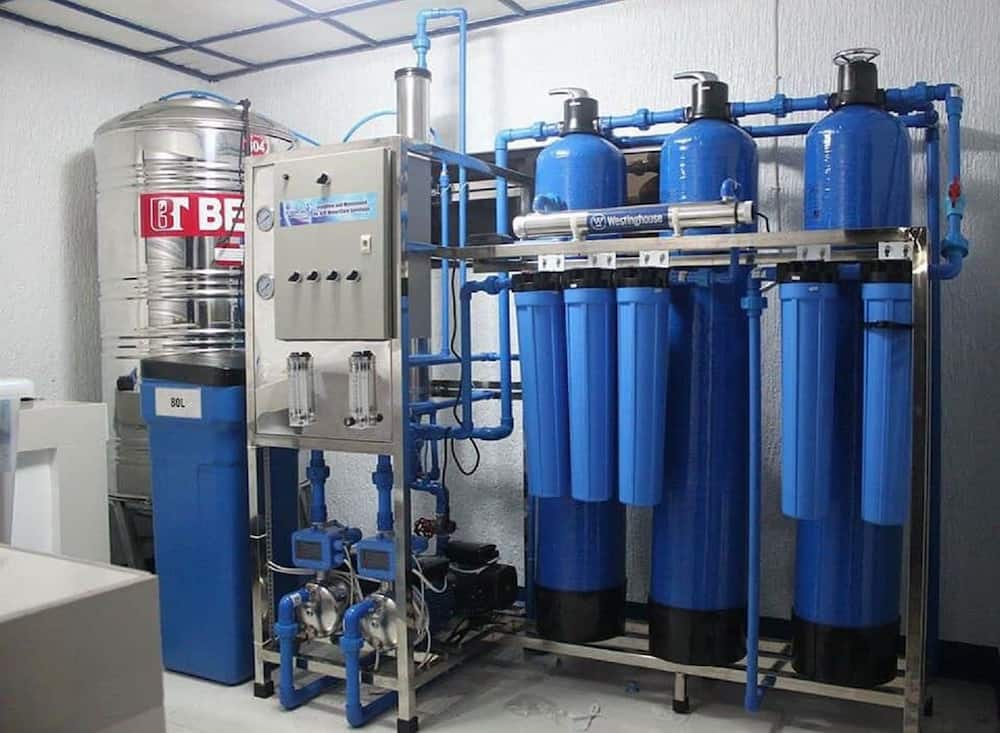
Reverse Osmosis is an advanced water purification technology that effectively addresses these challenges. RO purifiers use a semipermeable membrane to filter out impurities at a molecular level, removing dissolved salts, chemicals, heavy metals, bacteria, viruses, and other harmful contaminants. The process pushes water through this membrane under pressure, allowing only pure water molecules to pass through while trapping impurities.
Unlike basic filtration systems that may only remove larger particles, RO provides a thorough purification process that ensures the highest water quality. This technology is widely recognized and used globally in homes, industries, and healthcare facilities to provide safe drinking water.
Why RO Purifiers are Essential for Nairobi Residents
-
Ensures Safe Drinking Water
Nairobi’s municipal water supply, while treated, can still carry contaminants harmful to health. An RO purifier guarantees removal of these pollutants, offering peace of mind and reducing risks of waterborne diseases such as cholera, dysentery, and typhoid. -
Removes Salinity and Hardness
With many parts of Nairobi experiencing water hardness and salinity issues, RO purifiers protect your household plumbing and appliances by delivering soft, salt-free water. This also improves taste and smell, making water more pleasant to drink and cook with. -
Cost-Effective and Sustainable
Buying bottled water regularly is expensive and environmentally unsustainable due to plastic waste. An RO purifier provides a one-time investment with long-term savings, supplying clean water directly from your tap without reliance on bottled alternatives. -
Health Benefits for All Ages
Clean water is vital for everyone—from infants to the elderly. RO water supports overall health by preventing exposure to harmful chemicals and microbes. It is especially beneficial for people with weakened immune systems or chronic health conditions. -
Convenient and Continuous Supply
Unlike boiled water or bottled water that require time and effort, RO purifiers provide instant access to purified water at any time. This convenience supports busy lifestyles and ensures hydration needs are met effortlessly. -
Low Maintenance and Energy Efficient
Modern RO machines are designed to consume low power, often between 30 to 50 watts, making them energy-efficient. They require minimal maintenance, with periodic filter changes that can be done easily and cost-effectively.
Choosing the Right RO Purifier in Nairobi
When selecting an RO purifier, consider the capacity that fits your household or business needs. Smaller units are suitable for homes with low water consumption, while larger systems—capable of filtering up to 1,000 liters per hour—serve commercial and institutional purposes. It is important to buy from trusted suppliers who provide genuine, certified machines with warranty and after-sales support.
Professional installation and regular maintenance are also key to ensuring your RO system performs optimally over time. Partnering with reputable companies that offer comprehensive services, including repairs and filter replacements, will extend the lifespan of your purifier and guarantee consistent water quality.
Beyond the Home: RO Purifiers for Businesses and Institutions
Nairobi’s restaurants, hotels, schools, hospitals, and offices also require reliable water purification solutions. Providing clean, safe water is crucial for customer satisfaction, employee health, and compliance with health regulations. Installing RO systems in such facilities enhances operational efficiency and promotes a positive image.
Conclusion
In a city like Nairobi where water quality challenges are real and ongoing, Reverse Osmosis Purifier Machines are no longer a luxury—they are a necessity. They protect your family’s health, improve water taste, safeguard plumbing, and offer a sustainable alternative to bottled water. Investing in a reliable RO purifier means investing in your wellbeing, convenience, and peace of mind.
If you live in Nairobi and want to ensure your water is clean and safe, consider installing a high-quality RO purifier today. With trusted suppliers offering expert installation, maintenance, and support, clean water is just a tap away.
Leave A Comment